
What are Veins?
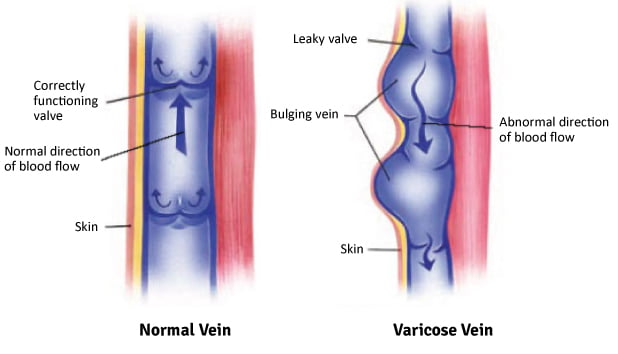
Your veins are the blood vessels that carry blood from your legs back up to your heart. When they are close to the skin, they are blue in colour. The veins in your legs often move blood up your leg against gravity. To do this they have tiny valves that open and close to keep blood moving in the right direction.
What are Varicose Veins?
When these valves stop working properly, they become leaky and blood will fall back towards your feet. Blood then can pool and build up in the vein. Over time, this causes the vein to stretch, bulge, and twist under the skin. We call these varicose veins.
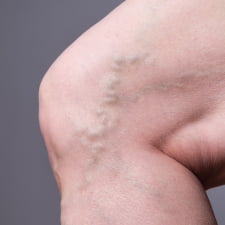
Varicose veins usually appear in the legs. They can look like raised, twisted cords of blue or purple just under the skin. Some are easy to see, while others sit deeper and may cause the overlying skin to become swollen, discoloured, or thickened.
What are Spider Veins?
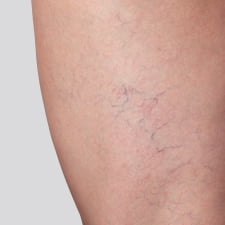
Spider veins are tiny red, purple, or blue blood vessels that sit very close to the surface of the skin. They are often found near varicose veins but can also appear on their own.
They look like a small web or starburst pattern — which is how they get their name.
Spider veins most often appear on the legs and in the pelvic area. They are very common and affect many people.
Who gets Varicose Veins?
Varicose veins are more common than many people realise. Studies suggest they affect between 30% and 60% of adults at some point in their lives.
They tend to run in families — so if a parent or grandparent had varicose veins, there is a higher chance you might too. Women are more commonly affected than men, though men can certainly develop them as well.
Other factors that can increase the risk include:
- Jobs that involve prolonged standing (for example nursing, teaching, retail)
- Pregnancy (increased blood volume and pressure on pelvic veins)
- Increasing age
- Being overweight
- Previous blood clots in the leg (deep vein thrombosis, or DVT)
- Family history
Chronic Venous Insufficiency (CVI)
When varicose veins are not treated over a long period of time, the condition can progress to something more serious called chronic venous insufficiency, or CVI for short.
In CVI, the veins struggle to return blood from the legs efficiently. This puts ongoing pressure on the leg tissues and skin, and can lead to a range of complications over time.
Are Varicose Veins and CVI dangerous?
Varicose veins are not just a cosmetic concern. In some people, particularly if left untreated,
they can lead to health problems:
- Blood clots (thrombosis): a clot can form inside a varicose vein near the surface of the skin and make the vein red and swollen.
- Vein inflammation (phlebitis): the vein can become painful and inflamed. This can come back repeatedly if the underlying vein problem is not treated.
- These superficial varicose vein blood clots and vein inflammation commonly occur together. This is called superficial thrombophlebitis and causes redness, pain, and swelling along the vein.
- Skin ulcers: are a marker of advanced CVI disease , poor blood drainage can cause open sores (ulcers) to develop on the lower leg or ankle. These can be slow to heal.
- Leg swelling (oedema): fluid can build up in the lower leg tissues, causing persistent puffiness and heaviness.
- Skin changes: the skin around the ankle may become discoloured, thickened, or itchy over time.
- Skin infections: swollen and damaged skin is more prone to infection (cellulitis).
- Spontaneous bleeding: in rare cases, a large varicose vein close to the skin surface can bleed from a minor knock or injury.
If you notice any of these changes, it is important to see a doctor promptly.
Symptoms (or How do I know if I have Varicose Veins?)
Varicose veins are not always obvious — many people have them without knowing it. You
might have varicose veins if you notice any of the following:
- Aching, heaviness, or tiredness in your legs, especially after standing
- Leg cramps — particularly at night (sometimes called “restless legs”)
- A burning, throbbing, or tingling sensation in the legs
- Soreness or tightness behind the knee
- Swelling in the lower legs or ankles by the end of the day
- Itching over or around a vein
- Brown or reddish staining of the skin around the ankles
- Open sores (ulcers) on the lower leg
These symptoms can range from mild to very uncomfortable. You do not have to have visible
bulging veins to have a vein problem — in some people, the veins are deeper and not easily
seen.
How are varicose veins diagnosed?
Diagnosing varicose veins starts with a simple check-up. Your doctor will look at your legs while you are standing, as this is when veins are most visible.
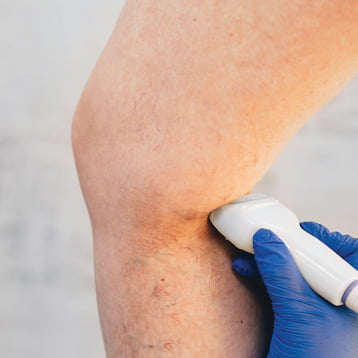
In most cases, you will also have an ultrasound scan called a Duplex Doppler scan. This is a painless test — similar to the scans used during pregnancy — that uses sound waves to look at the blood flow inside your veins. It shows us which valves are not working properly and how far the problem extends. This information is essential for planning the right treatment for you. At Advanced Vein Clinics we do all your venous Duplex Doppler scans with your initial consultation (diagnosis) and to monitor your progress before, during and after treatment.
Do all Varicose Veins need treatment?
Not all varicose veins need to be treated medically. For some people, managing symptoms
with lifestyle changes and compression stockings may be enough.
The right approach depends on your symptoms, your overall health, and your personal
preferences. Your doctor will discuss all the options with you.
Simple steps that can help:
- Compression stockings: these specially designed stockings support the veins and improve blood flow. They come in different strengths and styles. Your doctor can advise on the right type for you — they are available from our practice and some surgical supply stores and pharmacies.
- Keep moving: regular walking is one of the best things you can do for your veins. Even short walks help pump blood back up from your legs.
- Take breaks: if your job involves a lot of standing, try to sit and elevate your feet regularly throughout the day.
- Elevate your legs: when resting, try propping your legs up above the level of your heart. This helps drain fluid and relieves discomfort.
- Maintain a healthy weight: extra body weight increases the pressure in your leg veins.
- Skin care: keep the skin on your lower legs clean and moisturised, especially if there is any discolouration or dryness.
Some patients with mild symptoms also report benefit from horse chestnut seed extract (Aesculus hippocastanum), though the evidence for herbal remedies is limited and you should discuss this with your doctor before trying any supplement.
When conservative measures are not enough:
If lifestyle changes and compression stockings do not provide enough relief — or if your veins are causing significant symptoms or complications — there are several minimally invasive treatment options available. These will be fully discussed with you at your consultation, including how they work, what to expect, and any associated risks.
All treatment decisions will be tailored to your individual situation.
Not sure if your veins need attention?
The best next step is a consultation and a simple ultrasound scan of your legs. This will give us a clear picture of what is going on in your veins and help us advise you on the best options for your situation.
Call us on 1300 834 625 or send us an email to arrange an appointment.